The Albanese government's tax package passed the House on Thursday morning and is law by lunchtime. The Senate had already done its work on Tuesday.
The Roy Morgan numbers published on the weekend show One Nation projecting between 53 and 64 seats at a federal election held today.
There is a particular kind of press conference at which an Australian prime minister announces a victory that was, until very recently, a defeat.
I consent to receive newsletter via email. For further information, please review our Privacy Policy
Spare a sympathetic thought for California, the only American state proud enough of its public administration to insist that counting paper takes a fortnight.
The Albanese government has set aside two parliamentary sitting days for the inquiry into its proposed capital gains tax and negative gearing changes.
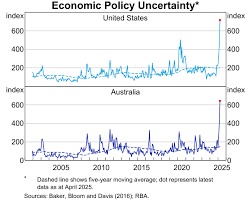
Australia's economy, once buoyed by post-pandemic recovery measures, now faces a challenging landscape marked by resurgent inflation, a surprise interest rate hike, and sluggish productivity growth.
Ah, Australia. Land of the endless barbie, venomous everything, and a government that treats its economy like a fragile joey in a pouch – overprotected
In the realm of taxation, few policies are as contentious and economically harmful as stamp duty on property transfers. This levy, imposed on the purchase of homes, has long been a staple of state government revenues in Australia.
In the quiet corners of history, one often finds echoes that resonate with the clamour of the present.
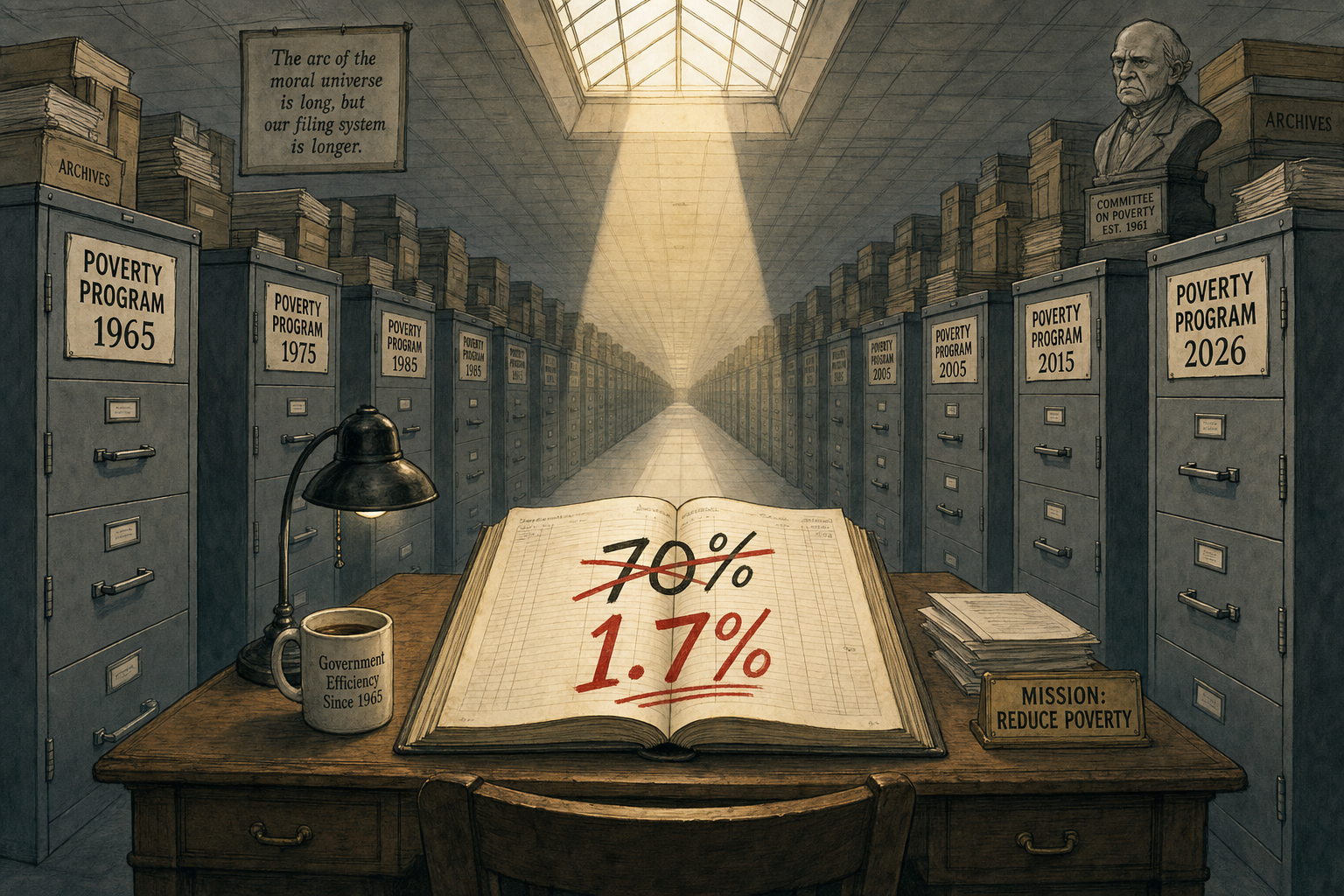
Australia's welfare system faces serious problems. It is unfunded. It is wasteful. It is abused. These issues threaten the nation's finances. They harm those who need help most. This article explores these flaws. It draws on economic insights. Reforms are needed now.
In the rolling hills of Virginia, where the Shenandoah River carves its ancient path through the blue ridges, there's a quiet revolution underway—not one of muskets or manifestos, but of paperwork and policy