Andrew Bragg has just discovered 51,000 home guarantees quietly issued to non-citizens, and the National Construction Code freeze is gone
There are three numbers Australians should walk away from the last twenty four hours of Senate estimates remembering.
The first is fifty one thousand. That is the number of home guarantees the federal government has issued, under a scheme originally designed for low income Australians, to non-citizens. The shadow housing minister, Andrew Bragg, confirmed it at a press conference on 16 June. The Australian five per cent deposit scheme was designed to help young Australian first home buyers get into the market. In 2023 the Albanese government quietly changed the design to allow permanent residents to access it. The result, three years on, is fifty one thousand Australian taxpayer underwritten home guarantees, issued to people who are not Australian citizens, at a time when first home buyer participation in the market is at a generational low.
That is not a culture war point. It is an arithmetic point. The Coalition's housing policy under Bragg now explicitly proposes to restore the original design and reserve the scheme for Australian citizens. The Coalition will, when in government, change the rules. Whether the public agrees with that proposal is a question for an election. The number is a fact.
The second number is four. That is the number of years for which the Treasurer promised, at the Economic Roundtable last year, to freeze the National Construction Code. The Coalition asked for it. The industry asked for it. The Master Builders Association, the Property Council and the Housing Industry Association asked for it. The Treasurer agreed.
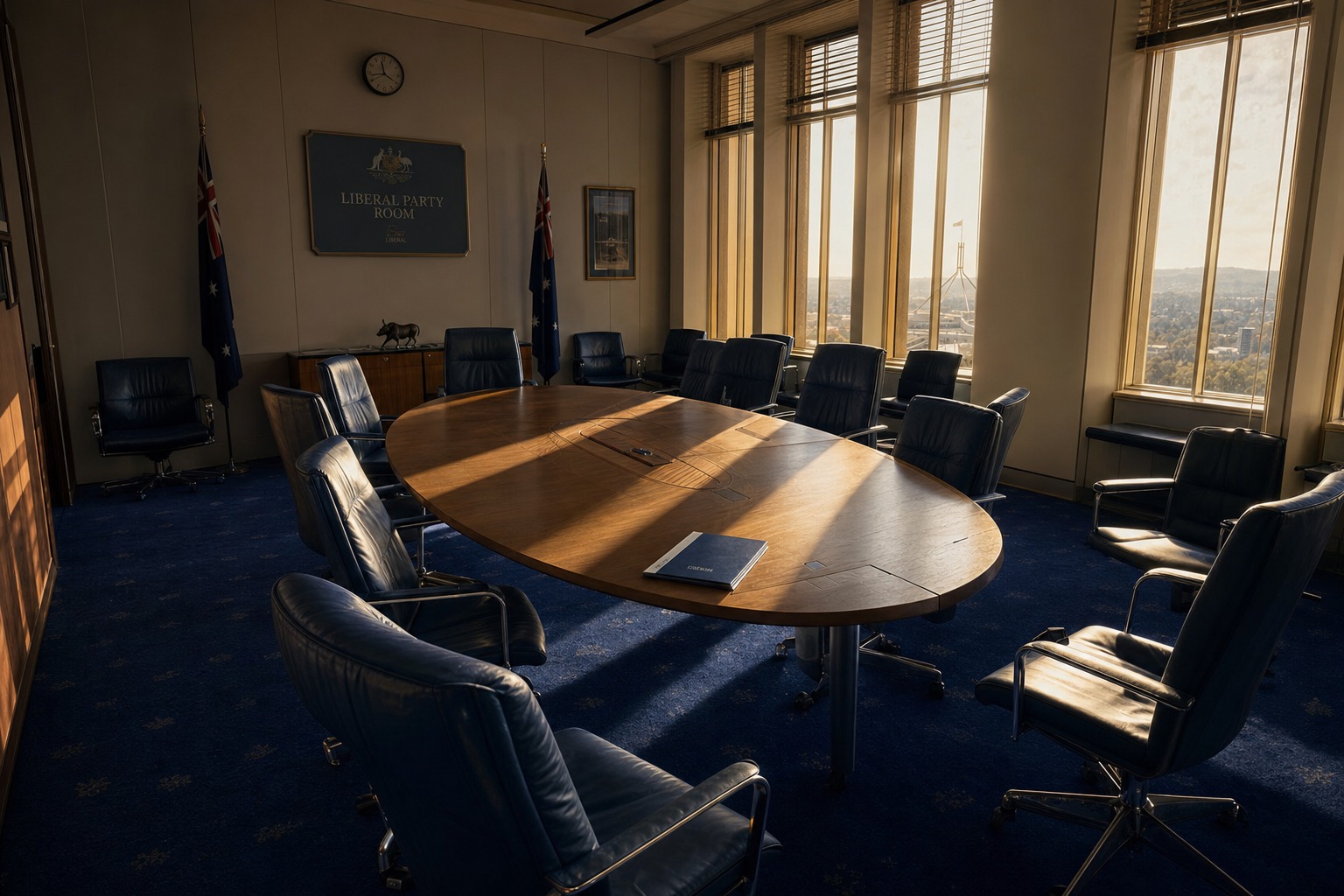
On Monday night, in Senate estimates, the freeze was confirmed cancelled. Minister Tim Ayres told the Senate that the four year freeze is no longer in force and that the government will change the code as it sees fit. The promise made at the Roundtable, before an audience of industry leaders, journalists and parliamentarians, was abrogated in a quiet exchange in a committee room. Nobody on the government's side announced it. The Treasurer did not announce it. The Housing Minister did not announce it. It was extracted in estimates by an opposition senator who had been promised something different at lunch.
The third number is thirty. That is the proposed effective rate of capital gains tax on residential investment under Labor's tax overhaul, the bill the Senate has spent the last two days holding a railroaded inquiry into and which will be voted on before the end of the financial year. The Property Council, the Master Builders Association, the Housing Industry Association, the Real Estate Institute and the Business Council of Australia signed a joint statement on Friday opposing it. Their estimate, conservative, is thirty five thousand dwellings forgone. The treasurer's response, on the second day of the inquiry, has been that anyone could submit and that numerous witnesses appeared. The Financial Services Council was not asked to appear at all.
These are not separate stories. They are the same story.
The story is the gradual replacement of housing policy with housing politics. A government that came to office promising to build a million homes is on track to build fewer than half that. A government that promised a four year code freeze cancelled it inside twelve months. A government that promised first home buyers a level playing field has, in three years, redirected fifty one thousand of its own underwritten guarantees to non-citizens. A government that promised, repeatedly, that it would not change capital gains tax is now legislating it through a two day inquiry that did not call the Financial Services Council.
Each of those decisions, taken in isolation, can be defended. The aggregate is not defensible. The aggregate is a housing policy structured around political convenience rather than supply. Bragg's intervention this week, supported by a peak business coalition of unusual breadth, is the first serious effort in eighteen months to convert that aggregate into a political cost.
Whether it lands depends on the Coalition's discipline over the next seventy two hours. The bill will be voted on. The Senate inquiry will report. The Greens will negotiate. The crossbench will negotiate. The Treasurer will spend Wednesday on talk radio. The shadow housing minister has done the forensic work. The rest of the parliamentary party has to back him.
The country has had four years of housing announcements. It has not had four years of houses. The fifty one thousand guarantees, the cancelled freeze and the rushed capital gains bill are three pieces of evidence that the policy and the politics have parted company. The Coalition, if it can hold its line, has an opening. If it cannot hold its line, the line will close.
RELATED ARTICLES

Our platform covers everything from global events and politics to entertainment, technology, and lifestyle, ensuring you never miss a story.