There is a scene that has repeated itself across the Western world in recent years, with the choreographed reliability of a well-rehearsed play.
In the landscape of Australian politics, the relationship between governments and trade unions has long been a subject of scrutiny.
I consent to receive newsletter via email. For further information, please review our Privacy Policy
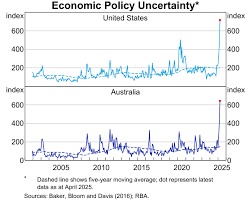
Australia's economy, once buoyed by post-pandemic recovery measures, now faces a challenging landscape marked by resurgent inflation, a surprise interest rate hike, and sluggish productivity growth.
Ah, Australia. Land of the endless barbie, venomous everything, and a government that treats its economy like a fragile joey in a pouch – overprotected
In the realm of taxation, few policies are as contentious and economically harmful as stamp duty on property transfers. This levy, imposed on the purchase of homes, has long been a staple of state government revenues in Australia.
In the quiet corners of history, one often finds echoes that resonate with the clamour of the present.
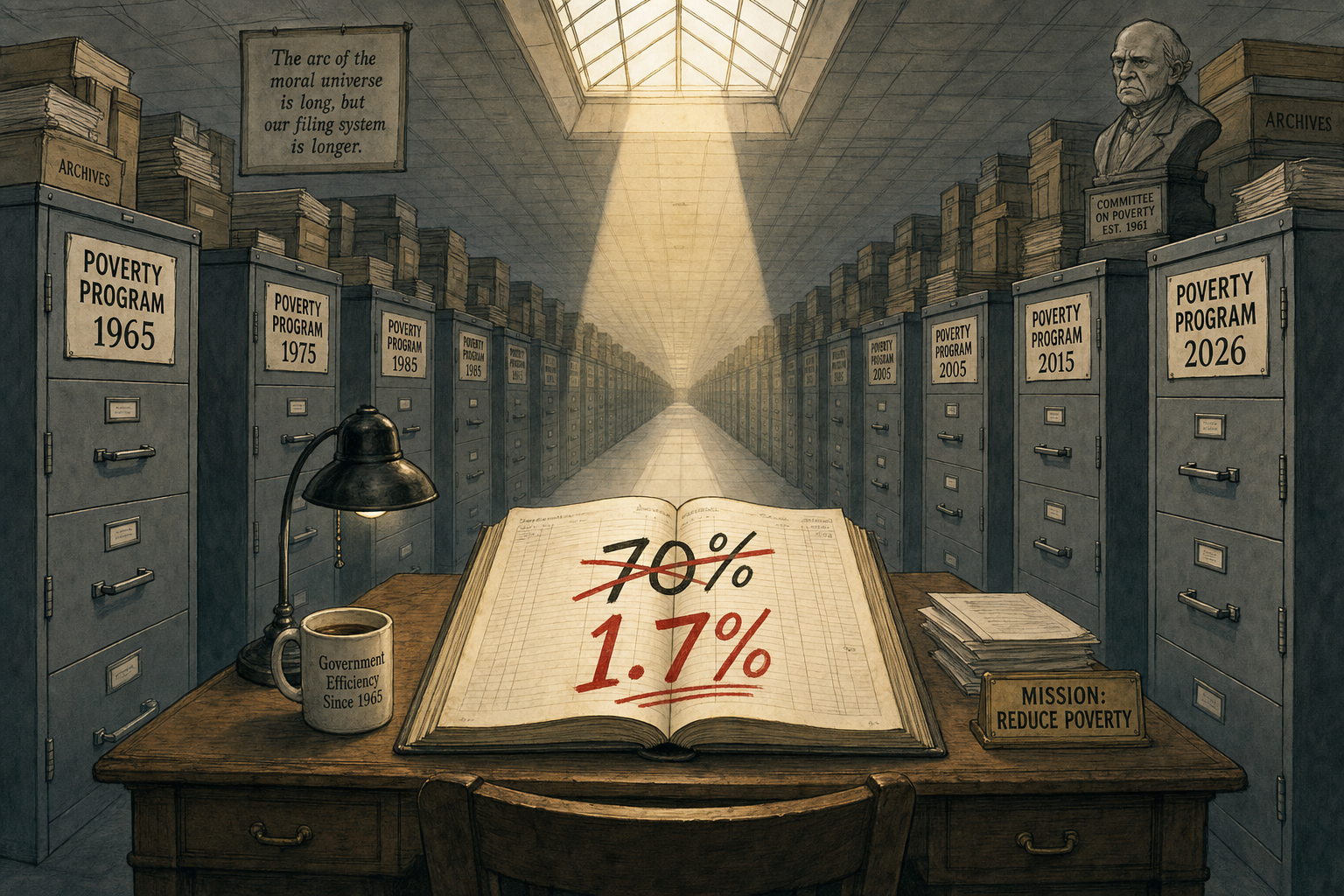
Australia's welfare system faces serious problems. It is unfunded. It is wasteful. It is abused. These issues threaten the nation's finances. They harm those who need help most. This article explores these flaws. It draws on economic insights. Reforms are needed now.
In the rolling hills of Virginia, where the Shenandoah River carves its ancient path through the blue ridges, there's a quiet revolution underway—not one of muskets or manifestos, but of paperwork and policy
In the vast, sun-cracked expanse of the Australian interior, where the earth holds secrets in its layered veins coal seams and shale beds pulsing with the promise of fire there's a quiet betrayal unfolding.
Marmite‑scented deodorant is the kind of idea that makes half the country retch and the other half reach for their wallet – which is precisely why it is such a glorious little case study in how free markets are supposed to work.