On Energy, the Left Can Learn From Texas
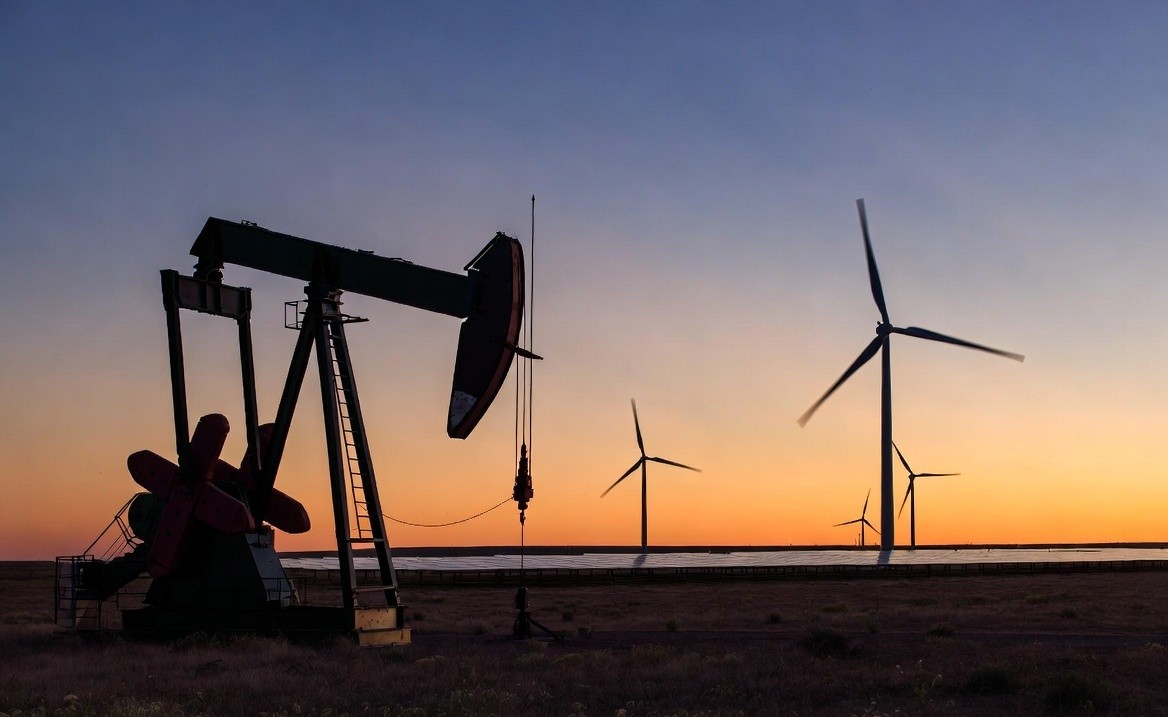
There is a certain kind of policy debate where everyone is so busy being right about the principle that nobody bothers to check what is actually working. Energy is the one that gets it the worst.
The Lone Star State, as Emanuel sets out with characteristic Chicago bluntness, now leads the United States in making its grid cleaner, more resilient and more cost efficient. It does so without subsidies that look anything like California's. It does so by letting prices clear, by approving interconnections quickly, and by getting out of the way of the developers who want to put solar and wind on the worst farmland in the country.
That is a sentence that makes the climate left uncomfortable and the climate right uncomfortable. The climate left does not like the words "Texas" or "let prices clear." The climate right does not like the words "wind" or "solar". And yet, by every measure that matters for an electrical grid, the Texas approach is now ahead.
The numbers are the case. Texas added more new wind, solar and battery capacity in 2025 than California, New York and Florida combined. ERCOT's average wholesale price is the lowest in the country. The reserve margin is the second highest. Industrial customers are migrating from California specifically to lock in long term Texan power purchase agreements that California cannot match because California cannot approve interconnections in under six years and Texas can do it in eighteen months.
The Buffett observation about all of this is that the most boring strategy almost always beats the most interesting one. Warren Buffett's Berkshire Hathaway Energy spent twenty years building transmission and renewable generation in places where no one else was looking, because the regulatory regime was favourable, the land was cheap, and the customers were willing to sign forty year contracts. The same playbook now belongs to a state most of New York's energy academics will not visit.
Emanuel's column is a polite request that the Democratic Party look at what is actually working before deciding what to be against. The polite request will not be received politely. The Democratic Party, as G. Elliott Morris pointed out in Inside Story last week, is still arguing about its own 2024 autopsy and has yet to admit that the country punished it for inflation, not for being insufficiently negative on Donald Trump. The autopsy is silent on energy. Emanuel's column fills the silence.
There is an Australian reading. Australia has spent the last decade arguing about whether to subsidise renewables, whether to subsidise gas, whether to subsidise nuclear, whether to subsidise coal, whether to subsidise the transmission lines that connect the subsidised generators. The country has the second longest interconnection queue in the OECD. The country's most productive wind resources are in places with planning regimes that will not permit a new line. The country's gas regulation regime is so opaque that the East Coast can be the world's second largest LNG exporter and still run out of gas in winter.
The Texas answer is not the only answer. The Texas regulatory model would not work in every Australian state because not every Australian state has the population growth or the land area. The Texas lesson, however, is portable. You let prices clear. You approve interconnections quickly. You stop telling investors which technology to use and start telling regulators which deadlines to hit.
Berkshire Hathaway Energy, Warren Buffett's slice of the United States grid, runs a similar playbook in Iowa and Nevada. It does not pick technologies. It picks regulatory regimes. It then builds where it can build. The result, after thirty years, is the largest renewable generator owned by a single American utility holding company. It looks, from a distance, like a boring company. Up close, it is just disciplined.
There are worse models for the Australian energy transition than the boring disciplined one. There are no better ones.
RELATED ARTICLES


Our platform covers everything from global events and politics to entertainment, technology, and lifestyle, ensuring you never miss a story.