How Did Zohran Mamdani Win?
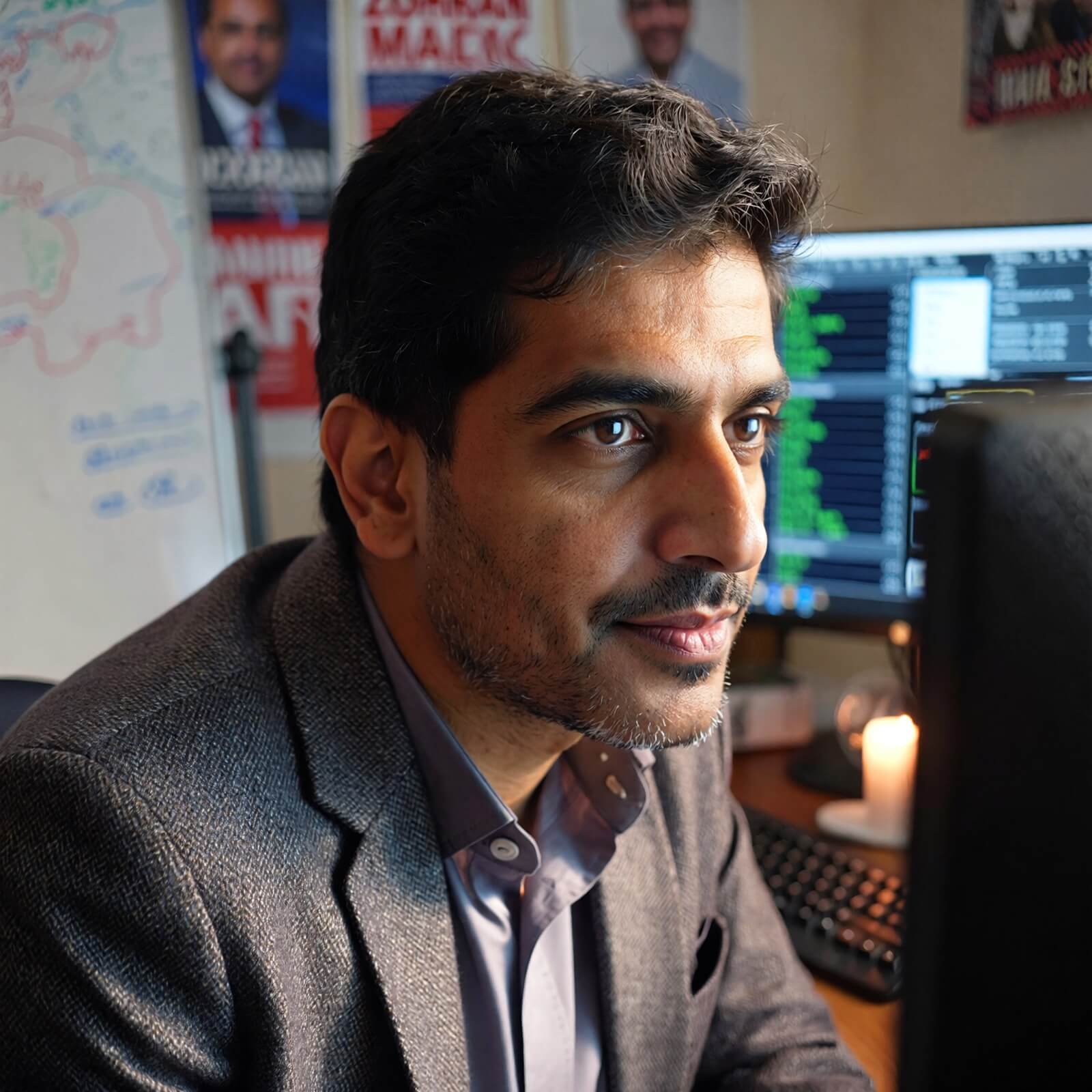
I’ll admit it: when the results came in from New York’s 12th Assembly District last month, I had to double-check the map. Zohran Mamdani, the 33-year-old democratic socialist who once described Zionism as a “white supremacist ideology” and who has spent the better part of five years courting the far-left online ecosystem, didn’t just win re-election. He crushed it. He took 87 per cent of the vote in the Democratic primary (there is no serious Republican opposition in this part of Queens) and is now headed back to Albany with an even larger personal mandate than before.
On the surface this looks like yet another data point in the long, slow march of the American Left toward the politics of Ilhan Omar and Rashida Tlaib. Dig a little deeper, however, and the Mamdani victory tells us something far more interesting about the machinery that now delivers power to the progressive wing of the Democratic Party has become frighteningly efficient, and almost entirely immune to the traditional pressures that used to police extremism in American politics.
I spoke about this at length on the City Journal podcast this week with Brian Anderson and Charles Fain Lehman. What follows is the short version I wish I’d had time to say on air.
1. The Collapse of the Moderate Gatekeepers
Ten years ago a candidate with Mamdani’s record (public endorsements of the BDS movement, appearances alongside activists who justify 7 October, and a rhetorical style that treats “Zionist” as a slur) would have faced a well-funded moderate challenger backed by the real-estate lobby, the finance industry, and the older, more centrist Jewish vote in the district. That simply didn’t happen this time.
Why? Because those traditional sources of Democratic money and organisational muscle have either retreated from New York politics or redirected their dollars toward national races where the stakes feel existential. The donor class is exhausted, demoralised, and increasingly convinced that pouring money into state legislative races is like pouring water into a sieve. Meanwhile, the Justice Democrats/Working Families Party apparatus has professionalised to an extraordinary degree. They run permanent field operations, sophisticated digital advertising, and (crucially) they have mastered the art of turning out low-propensity voters who only engage during presidential years.
2. The Ethnic Realignment Inside the Democratic Primary
Mamdani’s district is roughly 40 per cent South Asian (mostly Bangladeshi), 25 per cent Hispanic, and perhaps 15 per cent white. The old Irish-Italian-Jewish Democratic clubs that once dominated Queens politics are husks of their former selves. In their place has arisen a new coalition: young, highly online Muslim and South Asian voters who are economically left-wing and culturally radical on foreign policy, combined with enough white progressives in Astoria to provide a cushion.
This isn’t identity politics in the old sense. It’s identity politics plus class politics plus digital mobilisation. Mamdani speaks fluent “online” in a way that the 70-year-old incumbent machine candidates simply cannot match. When he calls Israel’s actions in Gaza a “genocide” on TikTok, he isn’t losing voters; he’s consolidating them.
3. The Normalisation of the Once-Unthinkable
Perhaps the most chilling part of the whole affair is how little coverage Mamdani’s more extreme statements received in the mainstream press. The New York Times ran a single, almost apologetic piece noting that some of his positions “have drawn criticism”. That was it. There were no blistering editorials, no emergency fundraising emails from the ADL, no coordinated push from party elders. The Overton window on the American Left has shifted so far, so fast, that calling for the abolition of ICE, praising the “global intifada”, and comparing Zionism to apartheid barely registers as controversial anymore in deep-blue districts.
4. What This Means for the National Party
If you think this is a New York problem, think again. The same playbook that delivered Mamdani his landslide is being replicated in dearborn, Minneapolis, Chicago, and parts of New Jersey. The demographic wave of young, left-wing Muslim and Arab-American voters is only going to grow, and they are organising with a discipline that the old labour unions can only dream of.
The Democratic Party now faces a stark choice: it can continue to treat these districts as safe progressive playgrounds and hope the radicalism stays contained, or it can start investing serious money and organisational effort into primary challenges from the centre-left. My bet is on the former. The donor class has largely given up on ideological enforcement at the state level, and the national party is too terrified of being labelled “Islamophobic” to push back.
Final Thought
Zohran Mamdani didn’t win because America suddenly turned antisemitic overnight. He won because the institutional antibodies that once prevented candidates like him from rising to power have atrophied, while the new progressive infrastructure has become ruthlessly effective. That is a far more worrying explanation, because it suggests this is just the beginning.
If the moderate wing of the Democratic Party wants to stop the next Mamdani (and there will be a next one), it needs to start treating safe blue seats as battlegrounds again. Otherwise, in five years’ time, today’s “fringe” will be tomorrow’s establishment.
And by then it will be too late.
RELATED ARTICLES


Our platform covers everything from global events and politics to entertainment, technology, and lifestyle, ensuring you never miss a story.