Ah, Australia – that sun-baked land of kangaroos, barbecues, and housing prices that could make a sheikh blush. Down there, they've got a housing crisis so acute it's practically a national sport. Renters are forking over fortunes for shoebox flats, while politicians prattle on about tax breaks for landlords and five-percent deposit schemes that sound suspiciously like invitations to a debt orgy. The federal government, bless their bureaucratic hearts, is throwing money at social housing funds and rent caps, all while the Greens scream that it's making things worse. It's the sort of mess where you half-expect Paul Hogan to pop up and say, "That's not a crisis – this is a crisis!"
But hold your Foster's, mates – it ain't just in Australia. Oh no, the Yanks are at it too, with Congress leading the charge down the ROAD to more federal control. And by "ROAD," I mean the hilariously acronymed "Reauthorizing and Optimizing America's Dwellings" or whatever bureaucratic balderdash they've slapped on the ROAD to Housing Act of 2025. This gem, snuck into the National Defense Authorization Act like a pork barrel in a vegan buffet, promises to "solve" America's housing woes by – you guessed it – injecting even more federal meddling into what should be local affairs.
Let's dissect this fiasco with the precision of a hungover surgeon. Congress, in its infinite wisdom (which is to say, none at all), has bought into the great American housing shortage myth – a tale spun by real estate lobbyists and Freddie Mac eggheads who couldn't tell a duplex from a doughnut. They wail about skyrocketing prices and vanishing affordability, painting a picture of families huddled in cardboard boxes while billionaires snap up beachfront McMansions. But peek behind the curtain, and the data tells a different yarn. Housing construction has been chugging upwards since 2012, bouncing back from the pandemic dip like a rubber cheque. Homeownership rates? Up from 63% in 1965 to 65% today, even as the population ballooned from 194 million to 340 million. That's more homeowners than ever, folks – hardly the apocalypse.
And prices? Sure, they spiked during the COVID madness, thanks to rock-bottom interest rates and the Federal Reserve playing sugar daddy with mortgage-backed securities. But median housing costs as a slice of income? Flat as a pancake since 2001, sitting pretty at 22.4% last year. Adjust for those bigger, fancier homes with air con and garages, and affordability per square foot looks much like it did 40 years ago. No crisis here, unless you're the sort who thinks avocado toast is a human right.
Yet Congress, ever the drama queen, misdiagnoses this as a national emergency demanding federal cavalry. Enter the ROAD Act: a 316-page monstrosity that expands everything from HUD grants for homeownership counselling (because nothing says "freedom" like government-approved advice on your mortgage) to bumping bank investments in low-income hoods from 15% to 20%. It dangles grants for zoning reforms, speeds up environmental reviews (including for sewer fixes – because nothing screams "housing" like plumbing), and even creates an "Innovation Fund" dishing out millions for pre-approved house designs. It's like Uncle Sam barging into your local council meeting with a bullhorn, shouting, "Build more, or no lolly for you!"
This isn't problem-solving; it's federalism on the rocks. The real culprits behind tight supply? Local zoning laws and land-use rules that locals themselves often demand – think nimby homeowners associations guarding their leafy suburbs like dragons hoarding gold. Deregulate willy-nilly, and prices might not even drop; they could climb if fancy amenities follow. But no, Congress prefers to play puppet master, tying grants to federal whims and expanding flops like the Rental Assistance Demonstration (RAD) and Moving to Work (MTW) programmes, which have a knack for hiking rents and shoving out low-income tenants.
It's the same old song as in Australia, where federal interventions like negative gearing tax perks and capital gains discounts have turned housing into a speculator's playground, pricing out the punters while governments pat themselves on the back for "stimulus." There, unions are calling to axe those breaks, and campaigns demand 10% of new builds be social housing. Sound familiar? Both sides of the Pacific, politicians are prescribing more government as the cure for government-induced ills, like curing a hangover with tequila.
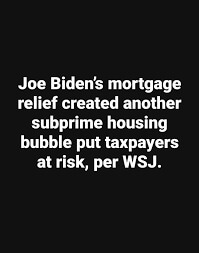
The irony is thicker than a Congressman's expense report. Promoting homeownership willy-nilly risks saddling low-income families with debt bombs, especially when renting and investing elsewhere might build more wealth. And federal subsidies? They distort markets, inflate prices, and create bubbles waiting to pop. The Cato boffins nail it: scrap the ROAD Act, slash federal grants, end mortgage market meddling, and let locals sort their own backyards. Anything else is just paving the road to serfdom – or in this case, overpriced rentals.
So, whether you're dodging drop bears in Sydney or gridlock in D.C., remember: when government "fixes" housing, it's usually the residents who end up broke. Time to tell the feds to bugger off and let markets – and locals – do their thing. Otherwise, we'll all be living in tents, courtesy of the very clowns who promised us mansions.

.png)